
Wilmington Resident Lookup Records
To look up a resident accurately, choose the record that fits the question. The New Hanover tax card can connect an owner to a parcel and mailing address, while the state voter search can confirm a registration connection. The court portal describes a case connection, and vital-record custodians control event records and copies. None of these is a complete household list. A useful Wilmington resident lookup keeps the role straight: owner, registered voter, case party, certificate subject, officer, or licensee.
| Record | What it can confirm | Custodian or search | Access route |
|---|---|---|---|
| Tax property card | Owner, parcel, situs, tax mailing address, sale and property data | New Hanover property search | Free public search; owner is not necessarily an occupant |
| Voter registration | Status, jurisdictions, polling place and voter-history availability | NC voter lookup | Name, birth year, county and status search |
| Court index | Party role, case number, type, status, events and disposition | North Carolina eCourts Portal | Public summaries; official copies come from the Clerk |
| Vital record | Birth, death, marriage or divorce event where law allows | NC Vital Records | Eligibility and identification rules apply to certified copies |
| Business or license record | Entity status, filing role, or public credential | NC Secretary of State and the relevant board | Interactive state search and board-specific verification |
Start with a full name plus one other detail. A street or parcel points toward Tax and GIS. A civic question fits voter registration. A dated legal event belongs in eCourts, and a family-history event belongs with the Register of Deeds, the Clerk, or NC Vital Records. Record the parcel ID, case number, or other placement as you go. It makes a later correction or request much easier.
Wilmington Resident Lookup Name Variants
Names are the first source of avoidable mistakes. Use the full name, middle initial, suffix, married or maiden surname where relevant, and ordinary spacing or punctuation variations. Wilmington research has a local quirk: the Register of Deeds pure-alpha search excludes spaces, punctuation, and special characters. Names beginning with And, An, or The may be indexed with or without that article. A failed exact search is often a prompt to test a careful variation, not a final answer.
eCourts has its own rules. Its party search accepts a record number or party name, lets the user limit a search to New Hanover, and supplies case-type, status, and filing-date filters. A last-name wildcard needs at least three characters before the asterisk, while a first-name wildcard needs at least one. For a business-name wildcard, the official guidance requires four characters. These limits are useful when a surname is common or a directory shortened an initial.
Note: Compare a name variation with a non-name detail before treating two results as the same Wilmington person.
Wilmington Resident Lookup Court Context
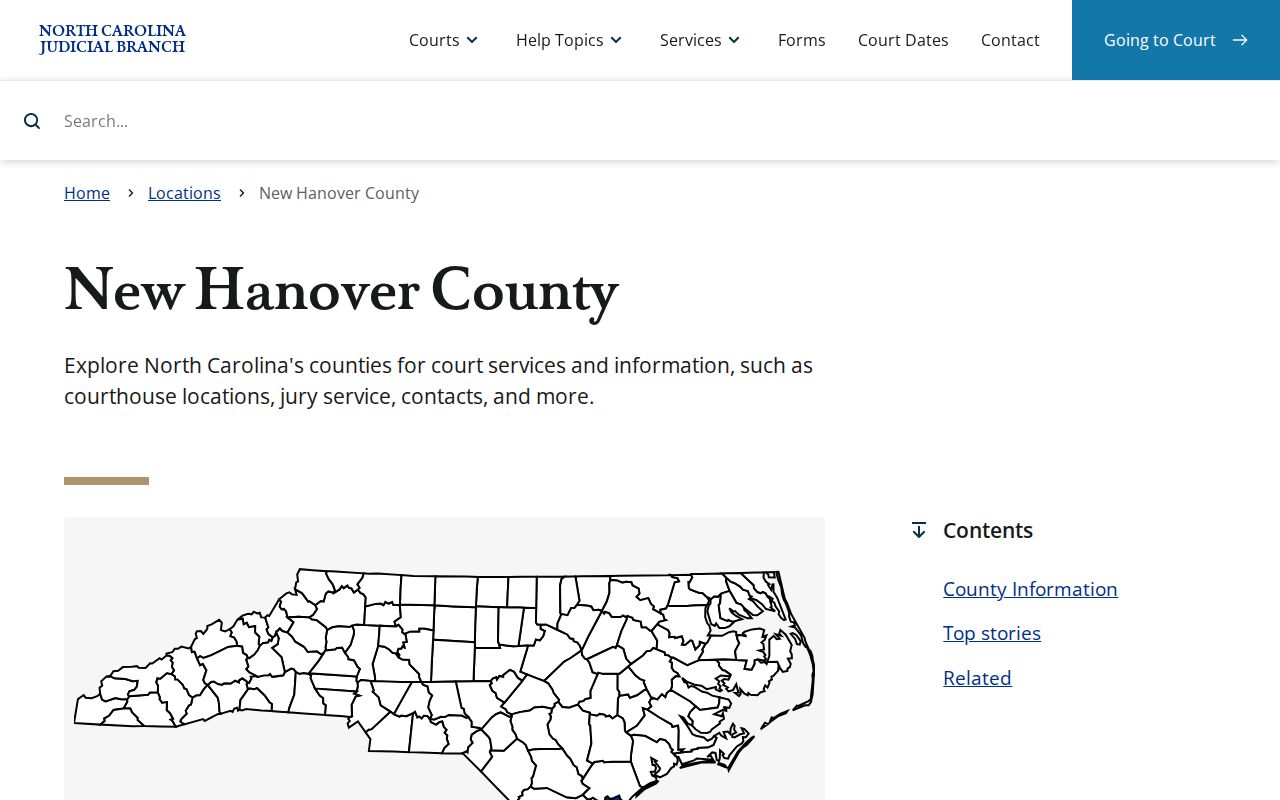
The New Hanover County courts page routes local District and Superior Court matters through eCourts and the Clerk of Superior Court. The portal became available in New Hanover during the February 2025 coastal rollout. It is a good way to check whether a name appears in a public case summary, but it does not replace the county file. Sealed, confidential, juvenile, victim-related, and expunged material can be absent, and a no-result search does not prove that no event ever existed.
Save the case number, filing year, parties, and document type before contacting the Clerk. The public self-service terminal at a Clerk office can show more local file context than a web summary, while the statewide public-records office is not the custodian of county case documents.
The official eCourts training resources show the Smart Search and advanced-filter tools used for party-name, record-number, location, case-type, status, and filing-date work.
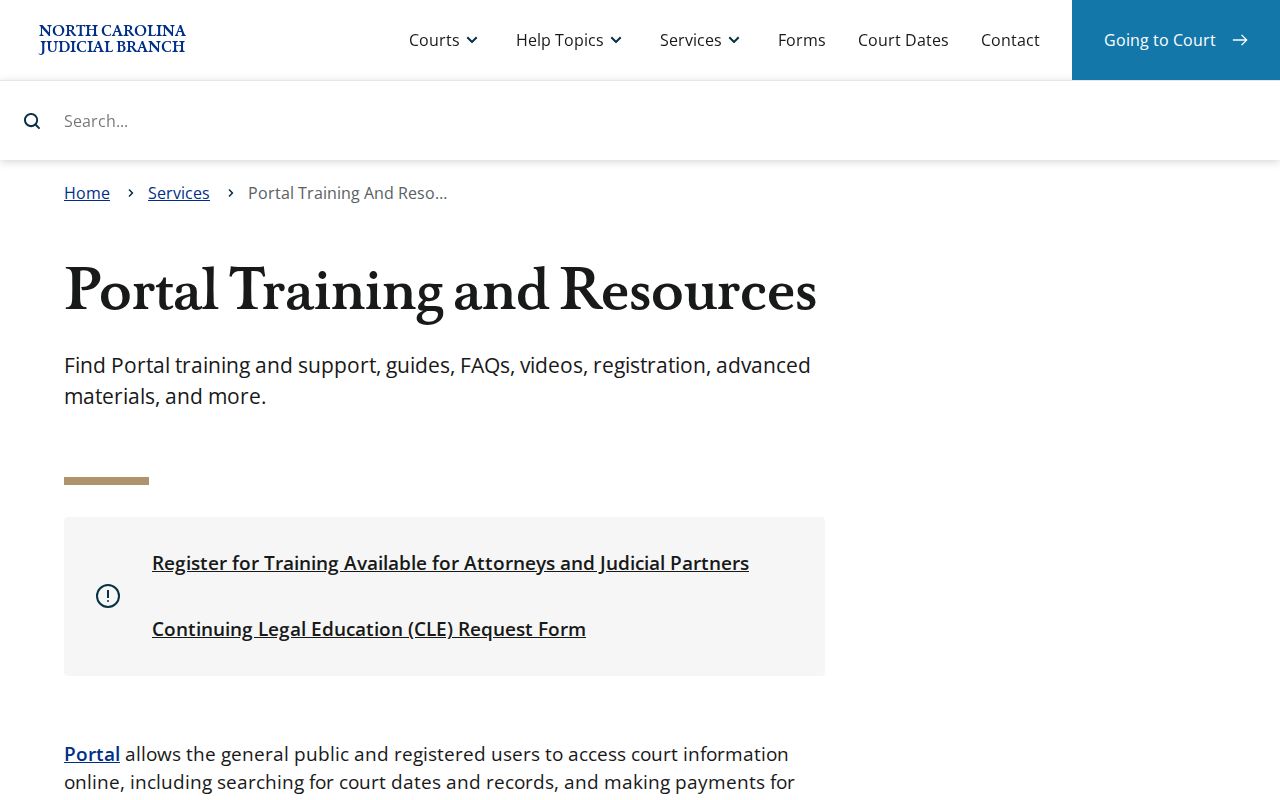
A result can include a case number, case type and status, location, filing or index date, party names and roles, causes of action when applicable, events, hearings, dispositions, judgment comments, and financial information where applicable. Document images depend on the case and access level. The public self-service terminal at a Clerk office can offer more local context, while copies and certified copies are a Clerk function.
| Result item | How to read it |
|---|---|
| Case or record number | The identifier to save for a Clerk request or later portal search. |
| Party and role | A connection to a case, not proof of residence or every fact about a person. |
| Event or disposition | A dated action or outcome within the case history. |
| Document availability | May be restricted even when the case summary is visible. |
Confirming a Wilmington Voter Record
The North Carolina voter lookup asks for first and last name, with optional middle initial, year of birth, county, and at least one status choice. A match can show registration details, jurisdictions, polling place, sample-ballot availability, absentee information, and voter history. It does not reveal a ballot choice. A non-match can reflect spelling, county, a removed or denied status choice, a protected address, or no registration, so it should not be read as proof that someone has no Wilmington connection.
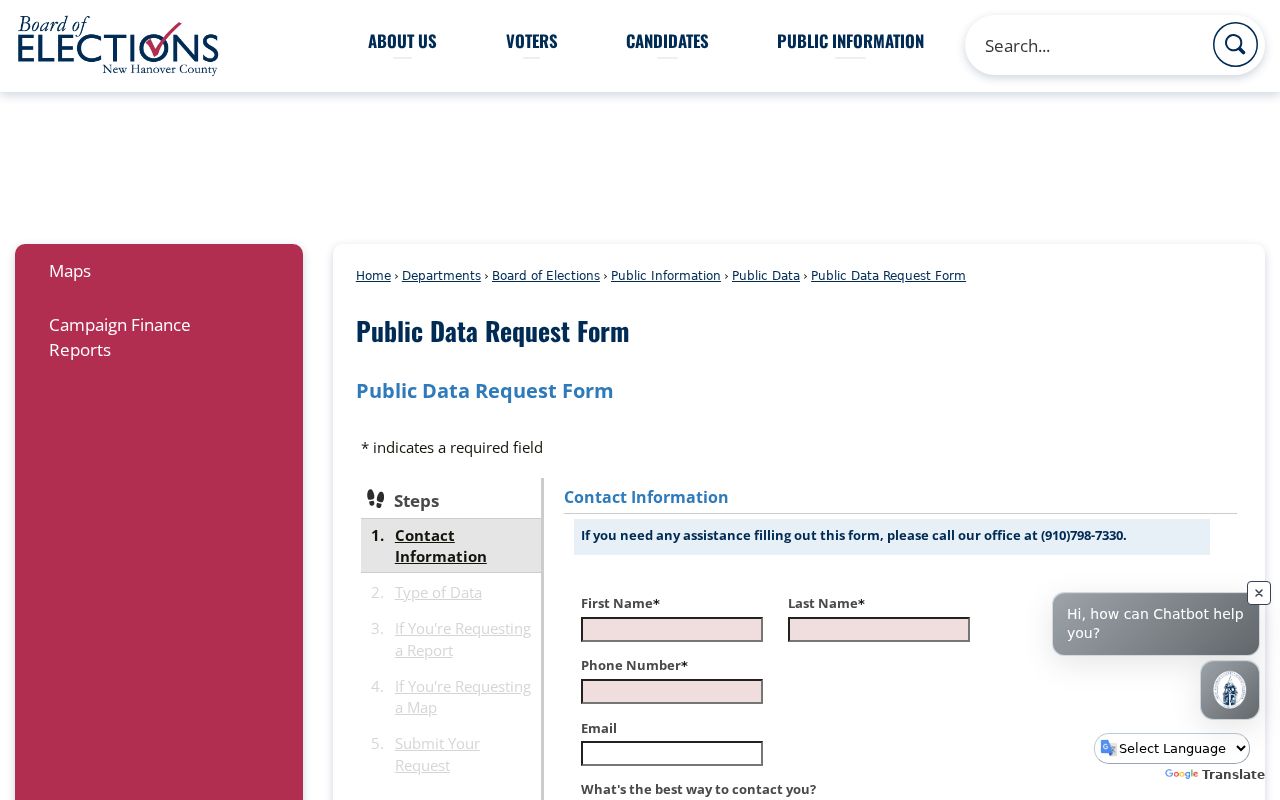
For a defined civic research need, the New Hanover public-data request form supports reports and maps with selected fields and delivery choices. The form separates report categories from request details, which helps the custodian provide an existing record rather than create a new compilation.
Under G.S. 163-82.10, voter lists may include fields such as name, address where maintained, party, precinct, districts, status, registration date, age category, and voter history. Full or partial Social Security numbers, dates of birth, driver-license information, registration agency, ID copies, and protected addresses are confidential. Signatures may be viewed but may not be copied or traced outside election administration.
Verifying a Wilmington Resident Record
A resident lookup becomes more reliable when two independent records agree on a detail that is not merely the name. Work from the narrow question outward. If the question concerns an owner, compare the tax card with a deed record. If it concerns a civic connection, compare the voter result with another lawful record. Keep a distinction between an owner, an occupant, a mailing recipient, a voter, and a party to a case.
- Normalize the name, including initials, suffixes, surname variants, and any known former name.
- Run the source that best fits the question and save its placement, such as a parcel ID, case number, instrument reference, precinct, or directory page.
- Check a second custodian for an address, date, middle initial, relative, business role, or court geography that agrees with the first result.
- When a fact must be official, request the existing record from the Clerk, Register of Deeds, Tax office, Board of Elections, or Vital Records custodian.
- Docket
- A court’s running record of filings, events, hearings, and actions in one case.
- Index and image
- An index is the searchable description of a record. An image is the underlying document, which can have different access rules.
- Certified copy
- A copy issued by the custodian with official certification. Eligibility, identification, and fees can apply.
When records conflict, ask which field the custodian treats as controlling and seek correction through that office. Chapter 132 supports requests for existing North Carolina public records, but it does not require an agency to create a new list or analysis.
Wilmington Resident Lookup Vital Routes
Birth, death, marriage, divorce, and fetal-death records use separate custody and access rules. NC Vital Records holds statewide registrations, while the New Hanover Register of Deeds offers a local route for birth, death, and marriage copies where the event occurred. Divorce certificates come from the Clerk where filed or the state office. Adoption originals are sealed and require the authorized state or court process, not an ordinary local-copy request.
The New Hanover Register of Deeds vital-record page explains the local counter, online, and mail routes.
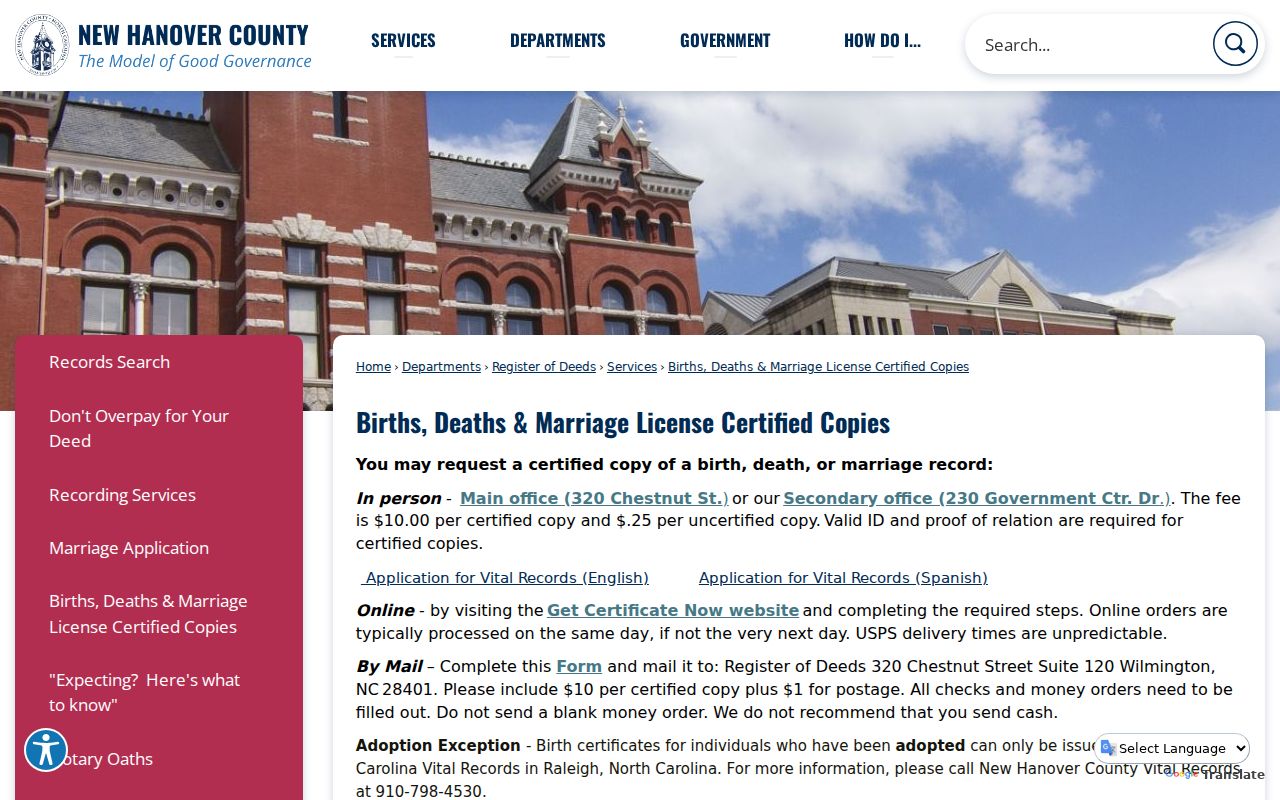
Certified copies require a qualifying relationship or legal interest and identification. The research records a local fee of $10 for a certified copy and $0.25 for an uncertified copy, while state ordering has separate fees and processing notices. There is no blanket North Carolina rule that every birth closes for one fixed number of years and every death for another. Use G.S. 130A-93 and the custodian’s current instructions instead.
Wilmington Resident Lookup Source Choices
Official records take more care because each one answers only its own question. That limitation is useful. A tax card is best for a parcel owner, an eCourts summary for a public case connection, a voter record for registration, and a certificate route for a vital event. Commercial people-search categories can blend older addresses, marketing data, public extracts, and inferred household links. They may cost money, conflate same-name people, and require separate opt-out requests. They are not a substitute for the source custodian.
| Approach | Strength | Limit to remember |
|---|---|---|
| Official county or state record | Named custodian, defined fields, correction path | Often confirms one role or event, not a complete personal profile |
| Commercial profile category | May surface leads across older data | Accuracy, currency, and identity matching can vary |
| Historical local collection | Can connect a person to a past address, class, or community | Irregular coverage and spelling require careful comparison |
For a former classmate or a historical connection, the Local History Room, Cape Fear Museum yearbooks, city directories, newspapers, and UNCW collections offer source-specific alternatives. For an heir question, pair eCourts estate or special-proceeding records with deeds, obituaries, and probate material. Neither path proves more than the records actually say.
Wilmington Resident Lookup Privacy Limits
Some resident information is deliberately unavailable. North Carolina protects motor-vehicle personal information under DPPA rules, and utility or customer data is not a public route. Address Confidentiality Program participants and qualifying protected voters can use a substitute address. Juvenile, sealed, expunged, adoption, victim, medical, mental-health, and other confidential material have their own restrictions. A paid or public result cannot override those limits.
The North Carolina Address Confidentiality Program provides a substitute address for eligible survivors who have moved or are moving. Qualifying recorded-document personal information may be addressed through the Register of Deeds redaction process, and a wrong public field should be taken to the record custodian with the exact record identifier and supporting proof.
Lawful use. Use a Wilmington resident lookup for personal, historical, civic, or legal research. Do not use a record trail to stalk, harass, intimidate, or expose a protected person.
Note: A narrow request naming the record, date, location, and person is more practical than asking a custodian to assemble a new dossier.